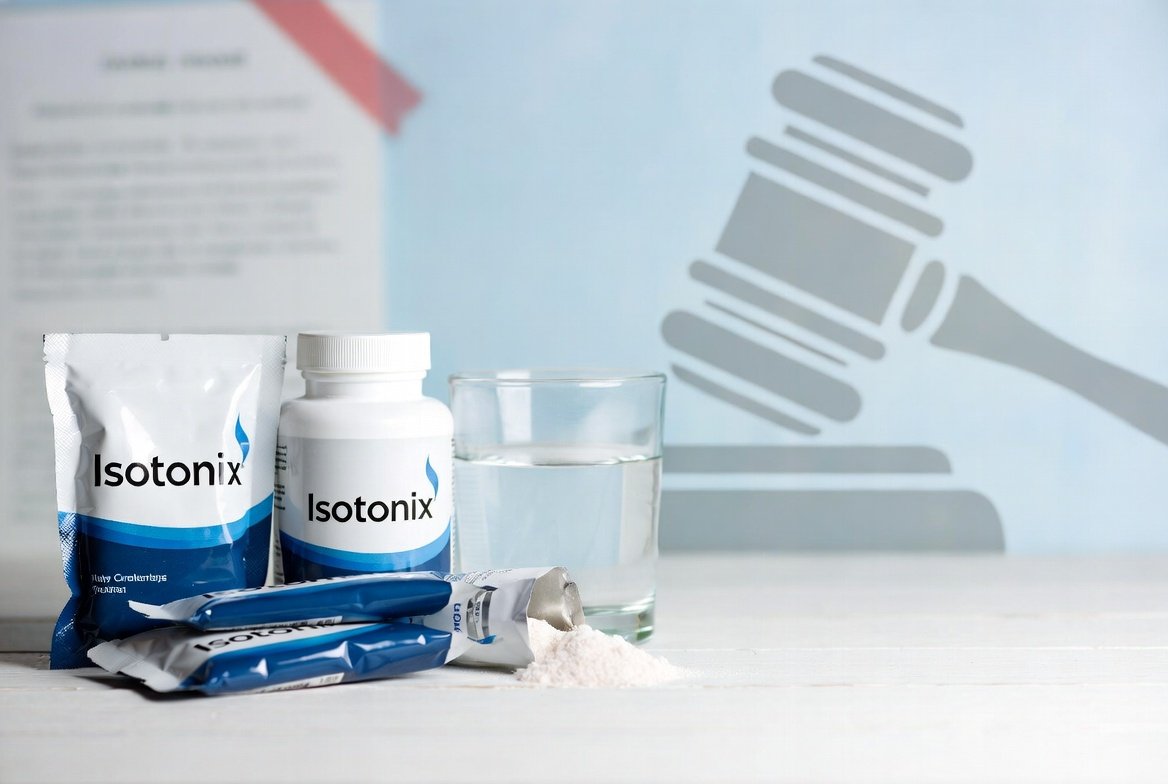
Many folks searching online for health supplements have come across talk about the isotonix lawsuit. It pops up in conversations, forums, and articles, leaving people wondering if these popular powdered vitamins are safe or worth buying. The isotonix lawsuit has raised questions about marketing claims, product labels, and the way the supplements reach customers. This article breaks everything down in plain language so you can understand the facts without feeling overwhelmed.
If you have ever mixed a scoop of Isotonix powder into water hoping for quick energy or better health, you are not alone. Thousands of people have tried the products over the years. But stories about the isotonix lawsuit make some pause and ask, “Is there more to the story?” Let us walk through it step by step, keeping things easy and real.
What Exactly Is Isotonix?
Isotonix refers to a line of dietary supplements sold as fine powders that you mix with water. The big selling point has always been the “isotonic” formula. In simple terms, this means the mixture matches the natural balance inside your body, so the nutrients might absorb faster than traditional pills. Fans love that you do not have to swallow big capsules and that the flavors are usually light and easy to drink.
The parent company, Market America, built its business around these convenient powders. Popular items include versions for heart health, multivitamins, immune support, and antioxidants. People buy them because the packaging looks clean and the promises sound helpful for busy lifestyles. Yet questions about how those promises were presented became part of the isotonix lawsuit discussions.
How the Isotonix Lawsuit First Started
The isotonix lawsuit did not begin with one dramatic court filing. Instead, it grew slowly from different concerns over time. Some former sellers and everyday buyers started sharing experiences that did not match the bright marketing pictures. They felt certain health benefits were described too strongly, and the business model raised eyebrows for others.
Around 2017, a group of distributors filed a case claiming the overall company structure felt more like a pyramid than a fair sales opportunity. That legal action eventually moved to private talks instead of staying in open court. Later, in 2020, government regulators stepped in with concerns about product labels and safety reports. These events together helped shape what people now call the isotonix lawsuit.
Key Allegations That Fueled the Isotonix Lawsuit
At the heart of the isotonix lawsuit are questions about how the supplements were advertised. Critics said some claims about faster absorption and specific health improvements went beyond what solid science could prove for everyone. Buyers expected quick, noticeable results, but a few reported that the powders did not deliver the same way for them.
Another big part of the isotonix lawsuit involved the multi-level marketing approach. Sellers earn money not just by selling the powders but also by bringing in new team members. Some people felt the income pictures shown during training were overly optimistic. They believed the focus leaned more toward recruiting than actual product sales to regular customers. These points created real frustration for those who invested time and money expecting different outcomes.
Label details also played a role in the isotonix lawsuit. Regulators pointed out that serving sizes on certain bottles did not match the full directions printed right next to them. For example, one popular antioxidant powder listed a smaller scoop as the serving, even though the instructions suggested taking more during the first week or two. Small mistakes like this can confuse shoppers who want accurate information before they buy.
The Role of Government Regulators in the Isotonix Lawsuit
In early 2020, the Food and Drug Administration sent a formal notice highlighting issues with several Isotonix products and related items. The notice focused on labeling accuracy and the need to properly report any serious customer reactions. It was not a recall or a ban, but it served as an official reminder that rules for supplements must be followed carefully.
The company received complaints about stomach upset and other effects tied to some nutrition kits that included Isotonix powders. Regulators wanted to see those reports handled the right way. This regulatory step added weight to the conversations already happening around the isotonix lawsuit. Many people saw it as proof that closer attention to details was needed, even if the products themselves stayed on the market.
Consumer Stories and Experiences Linked to the Isotonix Lawsuit
When you read personal accounts connected to the isotonix lawsuit, you hear a mix of voices. Some loyal users say the powders gave them steady energy and supported their daily routines without any trouble. They continue buying and recommend the products to friends. Others felt disappointed after months of use and joined calls for clearer information.
A few buyers mentioned mild side effects such as digestive changes or headaches when they first started the powders. In the isotonix lawsuit context, these stories are often shared as reasons why people want more transparent details. It is important to remember that individual results vary widely with any supplement, and what works well for one person may not suit another.
How the Company Responded to the Isotonix Lawsuit Concerns
Market America has always defended its Isotonix line. Leaders pointed out that the isotonic delivery system is based on established science about how the body handles liquids. They updated marketing materials to use more careful wording after the regulatory notice. Training for sellers now stresses following official guidelines when talking about benefits.
The company also fixed the labeling points mentioned in the 2020 notice. New bottles reflect the correct serving sizes and clearer ingredient details. Supporters of the brand say these changes show a commitment to doing things right and that the isotonix lawsuit spotlight actually helped improve the overall quality control.
Current Status of the Isotonix Lawsuit Today
As we sit in 2026, the isotonix lawsuit does not point to one single active blockbuster court case with a final verdict. The earlier distributor claims moved into private arbitration years ago, and public updates on that matter remain limited. The FDA notice from 2020 stands as a completed regulatory step, with the company having addressed the listed issues.
You can still find Isotonix powders for sale through the official channels and independent distributors. No widespread recall or stop-sale order exists. That said, the isotonix lawsuit continues to spark online discussions because people want to know the full picture before spending their hard-earned money on wellness products.
What the Isotonix Lawsuit Means for Regular Buyers
The isotonix lawsuit serves as a helpful reminder for anyone shopping for supplements. It shows why reading labels carefully and checking the latest product information matters. Even popular brands can face questions about claims and business practices, so taking time to research helps you make smarter choices.
If you already use Isotonix or are thinking about starting, talk with your doctor first—especially if you have existing health conditions or take other medications. The powders may fit some lifestyles perfectly, but they are not magic solutions for everyone. The isotonix lawsuit highlights the importance of realistic expectations rather than hoping for overnight miracles.
Practical Tips for Anyone Considering Isotonix Products
Start small if you decide to try the powders. Many people begin with a single bottle to see how their body reacts before buying larger packs. Keep a simple journal noting energy levels, sleep, or any changes you notice. This personal record can help you decide whether the product is a good fit without relying only on general marketing stories.
Compare prices and ingredients with other reputable supplement brands. Look for third-party testing seals when possible, as these add extra confidence about purity. And remember, no supplement replaces a balanced diet, regular movement, and good sleep. The isotonix lawsuit stories encourage us all to treat wellness products as helpful tools, not cure-alls.
Wrapping Up the Isotonix Lawsuit Conversation
The isotonix lawsuit has brought important topics into the open—honest marketing, accurate labels, and fair business practices in the supplement world. While some concerns were addressed through regulatory steps and company updates, the discussion reminds us to stay informed as consumers.
Isotonix powders still have many satisfied users who enjoy the convenient isotonic formula and the variety of options. At the same time, the isotonix lawsuit encourages everyone to ask questions and set realistic goals for their health journey. Whether you choose to try the products or look elsewhere, the key is making choices that feel right for your own body and budget.
In the end, the isotonix lawsuit is not about scaring people away from supplements. It is about helping all of us become wiser shoppers in a busy wellness market. Stay curious, read carefully, and listen to your own experiences. That approach turns any lawsuit headline into a chance to learn and decide with confidence.