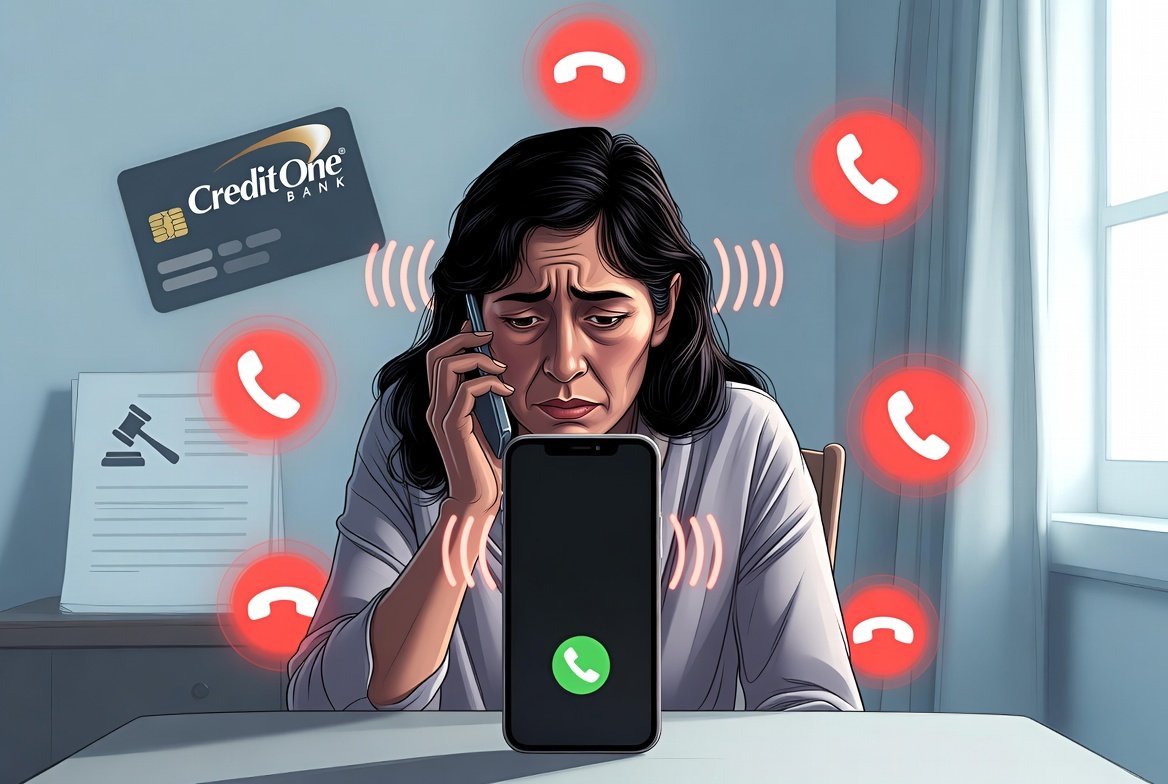
The Rebeca Mingura Credit One lawsuit has caught the attention of many people dealing with credit card debt and unwanted phone calls. It shines a light on how one consumer stood up against what she described as nonstop harassment from a major bank. If you have ever felt overwhelmed by repeated calls about unpaid bills, this story might feel familiar.
What Sparked the Rebeca Mingura Credit One Lawsuit
Back in 2025, Rebeca Mingura, a resident of Alameda, California, found herself in the middle of a frustrating situation with Credit One Bank. She says the bank started calling her cell phone repeatedly to collect on a few credit card debts she allegedly owed. What began as a normal collection effort quickly turned into something much more intense. In the Rebeca Mingura Credit One lawsuit, she claims the calls became so frequent that they disrupted her daily life. Many people who read about the Rebeca Mingura Credit One lawsuit wonder how a bank could make so many calls in such a short time. The case shows that even one consumer’s experience can lead to bigger questions about fair debt collection practices.
The Rebeca Mingura Credit One lawsuit started when Mingura decided enough was enough. She reached out to a lawyer, and together they filed papers in federal court in Northern California. The filing happened in August 2025, and it quickly gained notice because it was set up as a class action. That means other people who faced similar treatment from the same bank might one day join in. Right from the beginning, the Rebeca Mingura Credit One lawsuit focused on automated calls that kept coming even after she asked them to stop.
Details of the Allegations in the Rebeca Mingura Credit One Lawsuit
At the heart of the Rebeca Mingura Credit One lawsuit are claims that Credit One Bank used automated systems to dial her number hundreds of times over just a few months. The calls reportedly came at all hours, sometimes several times in a single day, and they continued even after her attorney sent a formal letter telling the bank to cease contact. In the Rebeca Mingura Credit One lawsuit, these actions are said to break federal rules designed to protect consumers from abusive debt collection tactics.
The Rebeca Mingura Credit One lawsuit points to three main laws that were allegedly violated. First, the Telephone Consumer Protection Act, or TCPA, which limits how companies can use robocalls and automated dialing. Second, California’s Rosenthal Fair Debt Collection Practices Act, which stops collectors from harassing people. And third, the state’s Unfair Competition Law, which covers business practices that harm consumers. Mingura, who is described as a disabled senior citizen, felt the impact deeply. The constant ringing interrupted her peace and added stress during a tough time.
What makes the Rebeca Mingura Credit One lawsuit stand out is how it describes the sheer volume of contact. Instead of a few polite reminders, the calls allegedly poured in without proper consent and kept going long after she tried to end them. Many readers who learn about the Rebeca Mingura Credit One lawsuit say it reminds them of their own experiences with aggressive collectors. The case does not just focus on one person’s story — it raises the question of whether this kind of behavior happens to others too.
How the Rebeca Mingura Credit One Lawsuit Affects Everyday Consumers
When you hear about the Rebeca Mingura Credit One lawsuit, it is easy to see why it resonates with so many. Debt collection calls can feel relentless, especially if you are already struggling to make ends meet. The Rebeca Mingura Credit One lawsuit highlights the need for clear rules that give people breathing room. Consumers have rights, and the Rebeca Mingura Credit One lawsuit serves as a reminder that those rights include protection from nonstop automated dialing.
In simple terms, the Rebeca Mingura Credit One lawsuit shows what can happen when a company pushes too far. If the claims are proven, it could encourage others to speak up when they face similar issues. People who have dealt with Credit One Bank or other lenders often share stories that sound a lot like the ones described in the Rebeca Mingura Credit One lawsuit. The case brings attention to the importance of documenting calls, keeping records of cease-and-desist requests, and knowing when to seek legal help.
Beyond the individual story, the Rebeca Mingura Credit One lawsuit also sparks conversations about bigger changes in the banking industry. Companies that issue credit cards must follow strict guidelines when collecting debts. The Rebeca Mingura Credit One lawsuit puts those guidelines under the spotlight and encourages everyone to pay closer attention to how their personal information and phone numbers are used.
Current Status of the Rebeca Mingura Credit One Lawsuit
As of early 2026, the Rebeca Mingura Credit One lawsuit remains active in court. The case is still in the pretrial phase, and Credit One Bank has asked the judge to send the matter to arbitration instead of letting it move forward as a full class action. Mingura and her legal team continue to push ahead, arguing that the issues deserve a public hearing. Updates on the Rebeca Mingura Credit One lawsuit show that no final decision or settlement has been reached yet in this specific matter.
It is worth noting that a separate enforcement action by California authorities led to a different resolution involving Credit One Bank earlier this year. That case was not part of the Rebeca Mingura Credit One lawsuit, but it dealt with similar complaints about debt collection calls. The ongoing nature of the Rebeca Mingura Credit One lawsuit means more developments could come in the months ahead. Anyone following the Rebeca Mingura Credit lawsuit should check official court records for the latest information rather than relying on social media rumors.
Why the Rebeca Mingura Credit One Lawsuit Matters Moving Forward
The Rebeca Mingura Credit One lawsuit is more than just one person’s legal battle — it reflects wider concerns about consumer protection in the digital age. With phones ringing constantly and automated systems handling collections, cases like the Rebeca Mingura Credit lawsuit help set boundaries. They remind banks and debt collectors that there are limits, and consumers have tools to fight back when those limits are crossed.
For anyone who has ever felt trapped by mounting debt and endless calls, the Rebeca Mingura Credit lawsuit offers a sense of hope. It shows that taking action can bring attention to problems that affect thousands of people. The Rebeca Mingura Credit lawsuit also encourages better communication between lenders and borrowers. Instead of aggressive tactics, the focus should be on fair solutions that help people get back on track.
Looking ahead, the outcome of the Rebeca Mingura Credit One lawsuit could influence how other banks handle collections. If the case moves forward successfully, it might lead to stronger enforcement of consumer laws across the country. Even while the Rebeca Mingura Credit One lawsuit is still pending, its mere existence has already prompted discussions about responsible lending and respectful debt recovery.
Final Thoughts on the Rebeca Mingura Credit One Lawsuit
The Rebeca Mingura Credit One lawsuit continues to unfold, but it has already taught valuable lessons about consumer rights and corporate responsibility. From the first calls to the courtroom filings, the story behind the Rebeca Mingura Credit lawsuit is one of persistence. Mingura’s decision to file the case brought national focus to an issue that many face quietly every day.
Whether you are dealing with your own credit challenges or simply curious about how the system works, the Rebeca Mingura Credit lawsuit is worth understanding. It reminds us that everyone deserves fair treatment, even when money is tight. As the Rebeca Mingura Credit lawsuit progresses, it will be interesting to see how the court balances the needs of consumers with the rights of financial institutions. For now, the case stands as a clear example that speaking up can make a real difference.